Water Filtration & Treatment in Charleston, SC
Water filtration and treatment helps improve household water quality by reducing specific contaminants, addressing hardness, and treating water used for drinking, cooking, bathing, and cleaning. Fix-it 24/7 helps homeowners understand their water treatment options and choose systems that fit their water quality concerns, household needs, and plumbing setup.


What Is Water Filtration & Treatment, and When Do You Need It?
Water filtration and treatment uses specialized equipment to address water quality concerns such as unwanted tastes, odors, sediment, dissolved substances, and mineral hardness. The right system depends on what's in your water and what you want to improve.
Some homeowners notice spots on dishes, mineral buildup around faucets, or soap that doesn't rinse away easily. Others want to improve the taste of their drinking water or reduce particular substances identified through water testing.
Different concerns call for different solutions. A water softener addresses hardness minerals, while a filtration system targets contaminants according to its filter design. Reverse osmosis systems provide additional treatment for drinking water, and UV purification uses ultraviolet light to inactivate certain microorganisms.
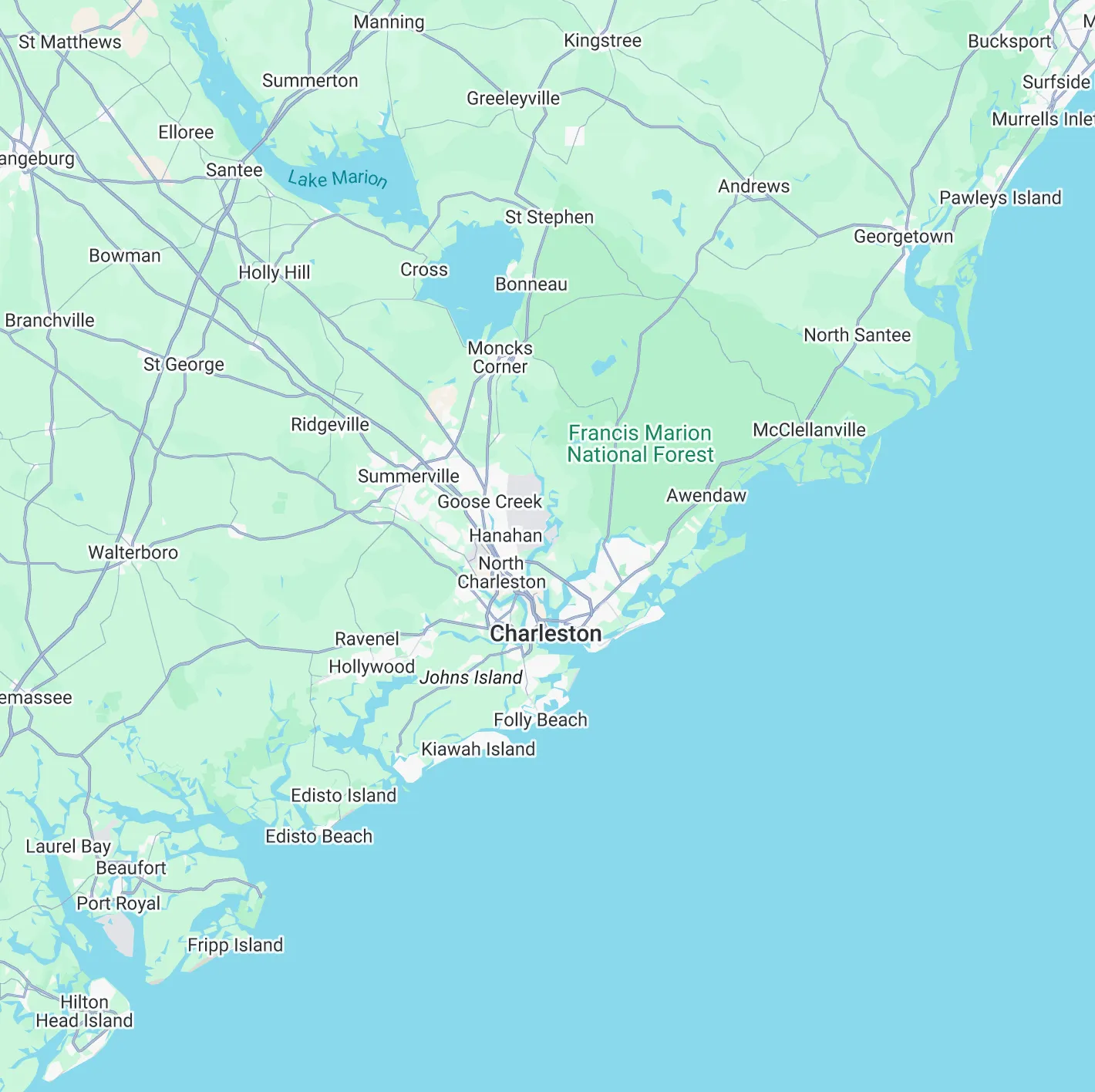
For Charleston homeowners, Fix-it 24/7 can help evaluate the available options and explain which water treatment approach makes sense for the home.

What Water Filtration & Treatment Options Are Available?
Water filtration and treatment can include several types of equipment, each designed for a specific purpose. Choosing the right system starts with understanding what it does and what it doesn't remove.
Water Softeners for Hard Water
Water softeners reduce calcium and magnesium minerals responsible for hard water. These minerals can contribute to scale buildup on plumbing fixtures, water heaters, and other appliances.
A traditional salt-based water softener uses ion exchange to replace hardness minerals with sodium or potassium ions. This helps reduce scale formation and can make cleaning easier.
A water softener does not replace a drinking water filtration system. Its primary purpose is controlling hardness, not removing every contaminant.
Whole-Home Water Filtration Systems
Whole-home water filtration systems treat water as it enters the house, providing filtered water to multiple fixtures.
Depending on the equipment and filter media, these systems may reduce sediment, chlorine, certain odors, or other targeted substances. The actual reduction capabilities depend on the filter's specifications and certifications.
Whole-home filtration may be useful when water quality concerns affect more than one faucet or appliance.
Reverse Osmosis Systems for Drinking Water
Reverse osmosis systems use a semipermeable membrane to reduce many dissolved substances in water. They are commonly installed near a kitchen sink to provide treated water for drinking and cooking.
A reverse osmosis system typically includes prefilters, a membrane, and additional treatment stages depending on the model. Some systems also include a storage tank.
Reverse osmosis can reduce certain dissolved minerals and contaminants, but performance varies by system. Filter and membrane replacement are necessary to maintain the equipment's intended performance.
UV Water Purification Systems
UV water purification systems use ultraviolet light to inactivate susceptible microorganisms as water passes through a treatment chamber.
UV purification does not remove sediment, hardness minerals, or dissolved chemicals. It may be paired with filtration or other treatment equipment when multiple water quality concerns need to be addressed.
Proper sizing, water clarity, lamp performance, and routine maintenance all affect how well a UV purification system works.
What's Included in Water Filtration & Treatment Service?
Water filtration and treatment service should begin with understanding the household's water quality concerns and determining which equipment can address them.
The appropriate scope may include:
- Water quality review: Discuss taste, odor, sediment, hardness, and available water testing results.
- System recommendations: Explain whether water softeners, whole-home filtration, reverse osmosis, or UV purification are appropriate.
- Equipment selection: Consider household water usage, available installation space, water pressure, and maintenance requirements.
- Installation planning: Identify plumbing connections, drainage needs, electrical requirements, and placement options.
- System installation: Connect the selected equipment according to manufacturer requirements and applicable plumbing standards.
- Performance verification: Check connections, water flow, and system operation using the manufacturer's procedures.
- Homeowner guidance: Explain filter replacement, routine maintenance, and signs that equipment may need attention.
The exact work depends on the equipment selected and the condition of the home's existing plumbing.
Why Does Water Filtration & Treatment Matter for Your Home?
Water filtration and treatment helps homeowners address specific water quality concerns while supporting the proper care of household plumbing and water-using appliances.
Hardness minerals can accumulate on fixtures and inside equipment that heats water. When hardness is a concern, a properly selected water softener can reduce scale formation and make routine cleaning easier.
Filtration can improve the taste or odor of water when the chosen filter is designed to reduce the substances responsible. This may make water more pleasant to drink and use for cooking without relying on a separate supply of bottled water.
Water treatment also gives homeowners more control over which substances they want to reduce. Rather than choosing equipment based on general claims, the better approach is to identify the concern and select a system with documented performance for that purpose.
Not every home needs every type of treatment. Selecting only the equipment that addresses your water quality needs can avoid unnecessary installation and maintenance costs.
What Happens During a Water Filtration & Treatment Service Visit?
A water filtration and treatment visit should provide a clear understanding of the available options, recommended equipment, and expected costs.
- Discuss your water concerns. The technician reviews what you've noticed, such as taste, odor, mineral deposits, or sediment, along with any existing water test results.
- Review the plumbing setup. The technician evaluates available installation space, plumbing connections, water pressure considerations, and other requirements relevant to the proposed system.
- Explain treatment options. You'll learn which water softener, filtration, reverse osmosis, or UV purification approach addresses the identified concern and what maintenance it requires.
- Provide upfront pricing. Before approved work begins, you'll receive an explanation of the proposed equipment, installation requirements, and associated costs.
- Complete the approved installation or service. The technician performs the agreed-upon work and checks the equipment's operation.
- Explain ongoing care. You'll receive guidance on filter changes, system maintenance, and recommended service intervals based on the equipment.
How Much Does Water Filtration & Treatment Cost?
Water filtration and treatment pricing depends on the equipment type, treatment capacity, installation requirements, and condition of the existing plumbing.
A point-of-use reverse osmosis system generally involves a different installation scope than a whole-home filtration or water softening system. Systems that combine multiple treatment methods can require additional components, plumbing connections, and maintenance.
Factors that influence pricing include:
- Type and capacity of the treatment system
- Number of treatment stages or components
- Existing plumbing configuration
- Drainage and electrical requirements
- Water usage and household size
- Filter, membrane, resin, or UV lamp replacement needs
- Additional plumbing modifications, when necessary
Fix-it 24/7 emphasizes upfront pricing and explaining recommendations before work begins. The goal is to help homeowners understand the equipment they're considering and what it will take to maintain it.
Why Choose Fix-it 24/7 for Water Filtration & Treatment?
Fix-it 24/7 follows a prevention-first approach to home services. That means helping homeowners understand their systems, maintain equipment, and make informed decisions rather than recommending work without explaining its purpose.
The Fix-It Group approach emphasizes transparent communication, upfront pricing, and recommendations based on the homeowner's actual needs.
Ongoing care is an important part of that approach. Water treatment equipment may need periodic filter replacement, cleaning, or other manufacturer-recommended maintenance to continue operating properly.
Homeowners interested in preventative care for other home systems can also explore the Fix-it 24/7 Club Membership Plan. Membership benefits and any coverage related to water treatment equipment should be confirmed before enrollment.
"Hiram was very professional and explained everything he was doing. This was the first time I used this company and I will definitely use them again in the future. I would recommend them to my family and friends. They also support the veteran community."

“I just had the most fabulous experience with a phenomenal group of two gentlemen, who came evaluated and fixed my air conditioner, heater combo heat pump. They could not have been more professional, informative and detailed in their work.”

“Fix-It 24/7 is a truly professional and reliable HVAC company with high-level technicians. From install to maintenance, my experience has been excellent. Devin, the technician who provides our maintenance service, is knowledgeable, motivated, and thorough. I know my HVAC system is in good hands when he is on the scene.”

House in Trouble? Call the Green Bubble!
Schedule Water Filtration & Treatment Service in Charleston
The right water filtration and treatment system should address your home's actual water quality needs without adding unnecessary equipment or maintenance.
Whether you're considering a water softener, whole-home filtration, reverse osmosis, or UV purification, Fix-it 24/7 can help you understand the options, installation considerations, and costs before making a decision.
FAQs